NusantaraVita NusantaraVita Jakarta
A compounding bench at the end of the day with glass beakers of botanical extract and a hand turning a slide under raking light

Ingredient guide · Jakarta

What Goes Into Men's Health Formulas

Every product in the catalog comes down to a list of ingredients. Here is what the nutrients and botanicals in men's formulas are commonly included for, written in plain language and checked against what the label actually prints.

Seven entries, alphabet-free

Where each one lands on a label

Vitamins and Minerals: The Base Layer

B vitamins, vitamin C, vitamin D, zinc, magnesium, and selenium form the backbone of nearly every men's multi. They are included because diets do not always supply enough of them, especially for people who eat irregularly or skip meals during a long Jakarta work week. Amounts are usually set near recommended daily intake rather than far above it, and that restraint is a useful signal when you compare two panels side by side.

Read the base layer first, before the botanicals below it. If the vitamins and minerals for men in a formula sit close to daily reference values, the brand is treating this section as background nutrition. When a formula prints doses far beyond that, the panel is worth a second look, and it usually means the rest of the blend deserves the same scrutiny.

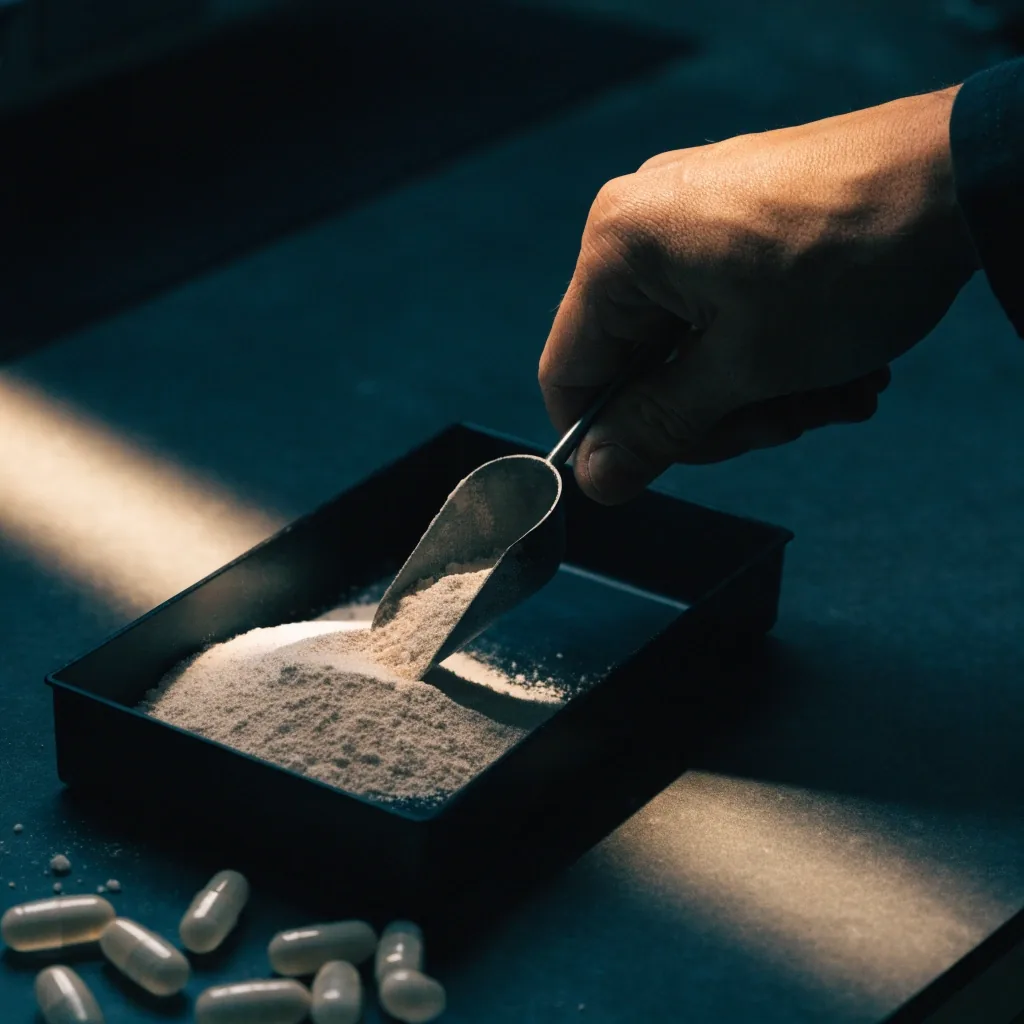
Fine mineral powder pouring from a steel scoop onto a black tray beside a few unmarked capsules
Base-layer minerals, weighed loose

Comparing the base layer across a panel

What to check, not what to trust

Nutrient

B-complex vitamins

Daily energy metabolism and the nutrition side of energy and endurance supplements.

Whether each B vitamin has its own figure or the whole group is hidden inside one blend line.

Vitamin D

Often included for people who spend most daylight hours indoors.

The unit used on the panel, since the same number reads very differently in IU and in micrograms.

Zinc and selenium

Trace minerals that turn up in most men's vitamin supplements sold here.

Whether the figure is elemental zinc or a zinc compound, because the two numbers are not the same.

Magnesium

Appears in general multis and again in recovery blends, so it can stack.

The salt form named on the panel, which tells you how much magnesium the capsule carries.

Nothing on this list is exotic. The point of reading it line by line is that a formula can look generous in marketing and still be vague where it counts. Two capsules with identical front labels can carry quite different panels.

Coenzyme Q10

CoQ10 appears in higher-end men's formulas, including Legion Triumph and Myprotein Alpha Men. Product copy usually describes it as supporting cellular energy, which is why it shows up in blends that also carry B vitamins. Vitamins do their work inside cells, and CoQ10 is the compound the body already makes to help that process along, so the pairing is deliberate rather than decorative.

It is one of the most common premium add-ons in the category. If a formula lists it, check whether an amount is given. Ubiquinone and ubiquinol are two different forms, and a panel that names the form and the milligram figure tells you far more than one that only lists the word.

Read for: form named, amount printed, whether it sits with B vitamins.

Tribulus Terrestris

This botanical appears in numerous men's sports formulas, including products from NOW Sports and Myprotein. It is listed on panels as Tribulus terrestris extract, often standardized to a percentage of saponins. Brands include it in performance-oriented blends rather than general wellness multis, which is a useful clue about who the product is written for.

It is one of the best-known botanicals in men's supplement marketing, which is exactly why it deserves a plain explanation instead of a paragraph of enthusiasm. The saponin figure is the part that matters: an extract standardized to a stated percentage is a different ingredient from dried plant powder tipped into a capsule, even when both carry the same name on the front.

Read for: extract versus powder, standardized percentage, amount per serving.

Ashwagandha

Ashwagandha is a botanical used in modern blends, and KSM-66 is the branded form that appears in products such as Legion Triumph. It is generally framed around stress and daily resilience rather than a nutrient shortage, which sets it apart from the vitamin entries on the same panel and explains why it rarely carries a percentage of daily value.

It is one of the most visible botanicals in current men's wellness products, and the standardization details, when printed, tell you more than the name alone. Root extract standardized to a stated share of withanolides is a specific specification. A panel that says only ashwagandha leaves you guessing which one you are holding.

Read for: root extract, withanolide figure, branded form if any.

Maca

Maca comes from the root of Lepidium meyenii and is included in men's blends such as those from NOW Sports. It is typically paired with other botanicals rather than used alone, and it appears in branding around vitality and endurance. Formulas that lean on energy and endurance supplements tend to place it near the top of the blend list, above the vitamins, so it reads as a headline ingredient.

Because it is a root powder or extract, the amount per serving varies a lot between products. That variation is the main thing to compare. Powders are often quoted in grams while extracts are quoted in milligrams, and a milligram figure on an extract is not automatically weaker than a gram figure on a powder.

Read for: powder or extract, grams versus milligrams, position in the blend.

ZMA Blends

ZMA refers to a zinc, magnesium, and vitamin B6 combination. It is common in sports supplements aimed at recovery and daily nutrition, and it appears in NOW Sports men's extreme formulas. When you see ZMA on a label, it usually signals a sports-performance angle rather than a general multi, and that framing shapes what the rest of the panel is likely to contain.

Check the elemental zinc and magnesium amounts, since those are the numbers that matter. A blend line that lists ZMA as a single weight hides how much of each mineral is actually there, and it makes the product impossible to compare fairly against a plain multi that names its zinc and magnesium separately.

Read for: elemental mineral figures, B6 alongside, sport framing.

Lycopene

Lycopene is a carotenoid, usually sourced from tomato extract or listed directly by name. It appears in NOW Sports and Myprotein men's formulas as an antioxidant component, and it is widely used in men's multis that also carry botanical blends. Like CoQ10, it is an add-on rather than a base ingredient, so an undisclosed amount is not unusual.

When the amount is printed, that is a good sign for the rest of the formula. When it is not, you still have the position in the ingredient list to work with, and a carotenoid buried low in a long blend is telling you something about how much of it there is likely to be.

Read for: tomato source named, milligrams printed, placement in the blend.

A halved maca root and a fresh ashwagandha stem lying on wet dark slate under a narrow band of light

Reading Extract Names

An extract name tells you the plant and often the standardization. Ashwagandha root extract standardized to 5% withanolides is a different specification from plain ashwagandha powder, and the same applies to Tribulus and maca. The plant is the easy part. The specification is where two products stop being interchangeable.

Full specification

Plant, part, form, and a standardization figure. You know roughly what is in the capsule and in what proportion.

Partial specification

Plant and part named, no figure. Still more useful than a bare name, and you can compare across brands on the part alone.

Bare plant name

You know less about what is in the capsule than the label suggests. Common for root powders, less common for extracts.

Proprietary blend line

One total weight covers several ingredients. You cannot tell how the weight is divided, so cross-brand comparison stops there.

None of these four is automatically a bad product. The difference is how much the label lets you verify, and how much you have to take on faith. If a listing gives only the plant name, you know less than the label implies.

Where these ingredients show up in the catalog

The same botanical can sit in a general multi, a sports blend, or a capsule marketed around strength and vitality. Before you compare amounts, compare what kind of product you are looking at, because the surrounding panel usually explains the placement.

General men's multi

Vitamins and minerals up front, one or two carotenoids at the end. Usually the shortest panel and the easiest to compare.

Base layer, with CoQ10 or lycopene

Sports and recovery blend

ZMA, magnesium, and B6 with the mineral figures printed. Framed around daily nutrition and recovery rather than a broad multi.

ZMA, elemental figures matter

Botanical-forward formula

Tribulus, maca, and ashwagandha listed above the vitamins, often with standardization named for each one.

Botanicals lead the panel

Capsule built around strength and vitality

Natural capsules for strength and vitality usually stack a botanical with one mineral and keep the rest short. Fewer lines to read, more weight on each one.

Short panel, careful reading

A practical way to read any panel

Four passes, in this order, take about two minutes. They work on any formula in the catalog and on anything you pick up in a shop in Jakarta.

  1. 1

    Find the serving size first. Everything below it is expressed per serving, and a two-capsule serving is not the same starting point as a three-capsule one.

  2. 2

    Read the vitamins and minerals block and note which entries have their own figure. Entries folded into a blend line are the ones you cannot check.

  3. 3

    For each botanical, check whether the panel names the part and a standardization. That single line tells you more than the ingredient's position in the list.

  4. 4

    Compare against one other product you already understand. A single side-by-side panel is worth more than reading ten labels in isolation.

What We Do Not Evaluate

We do not assess prescription products, and we do not compare supplements against medicines. Our scope is over-the-counter vitamin, mineral, and botanical formulas sold for general wellness, which is what the catalog lists. Anything outside that scope stays out of the comparisons, and that keeps the side-by-side panels meaningful for the products that remain.

The same boundary applies to marketing language. If a listing makes claims that belong to a different category entirely, we leave it out of the catalog rather than explain why it does not fit. You will not find those listings here, and you will not find us arguing with them either.

For anything beyond general wellness products, the right next step is a conversation with a qualified professional who knows your situation. Nothing on this page is a substitute for that, and the pages below are here to help you compare labels, not to answer questions about your own health.

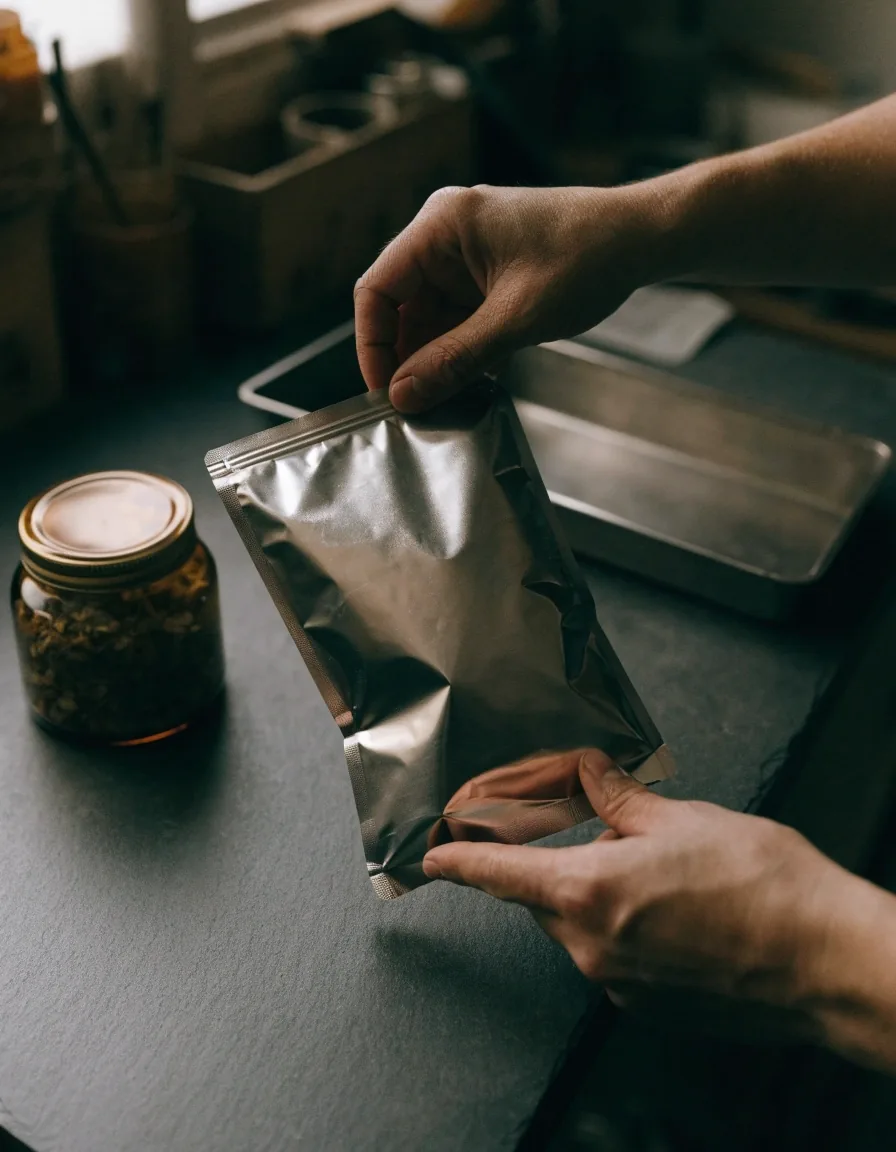
Hands turning a plain unbranded foil pouch over above a dark work surface beside an amber glass container
Turning the pouch to read the panel

Questions people ask about ingredients

Short answers to the things that come up most in the office and over the phone.

Why is an amount sometimes missing from a botanical entry?

Proprietary blend lines are the usual reason. A single total weight covers several ingredients, so the maker is not obliged to print each one separately. It is legal and common, but it stops you comparing across brands, which is why we treat it as a limitation rather than a fault.

Does a longer ingredient list mean a better formula?

No. Some short panels do exactly what they set out to do and print every figure. Some long panels spread a small total across many entries. Length is a fact about the label, not a measure of anything.

Can I take two products that share an ingredient?

That is a question for a qualified professional, because the answer depends on the amounts in each product and on your own circumstances. What we can do here is show you which ingredients overlap, so you can describe the combination accurately when you ask.

Why do you list popular products by name?

Because the ingredient is easier to picture once you have seen it on a real panel. Naming a product is not an endorsement, and we do not rank brands. It is a way of pointing at a label you can actually read.

How often is this page updated?

When a formula in the catalog changes its panel in a way that affects how an ingredient is described, we revise the entry. Labels change quietly, so if you spot a difference between this page and what you are holding, tell us and we will look at it.

Knowing what is in the capsule is the whole point of reading a label. Once you can name each entry, comparing products stops being guesswork.

Questions about a label you are holding? Jl. Prof. DR. Satrio No. 7, Karet Semanggi, Setiabudi, Jakarta Selatan, 12930 · +62 21 5793 2852 · [email protected] · Monday–Friday, 9:00 AM – 6:00 PM